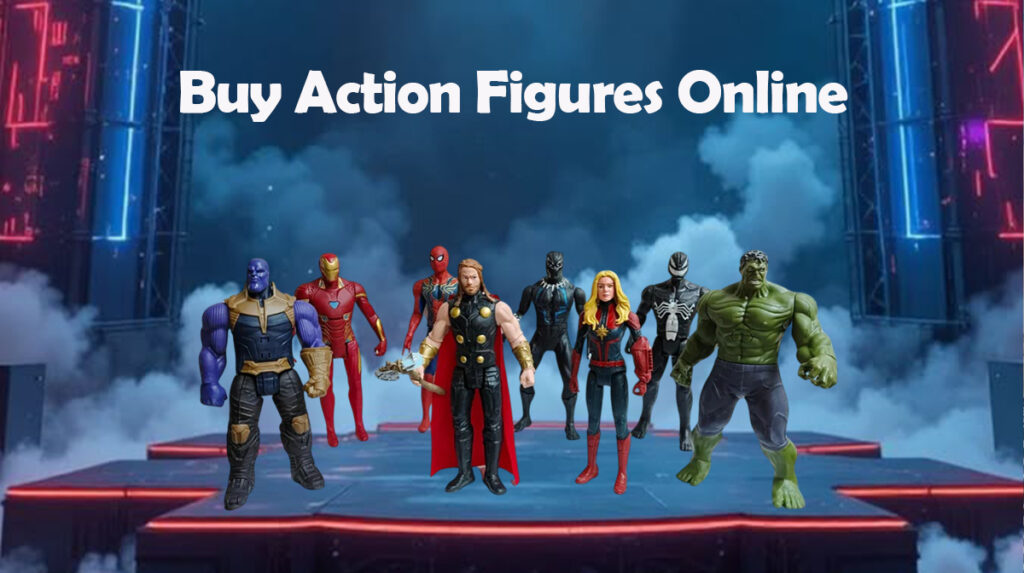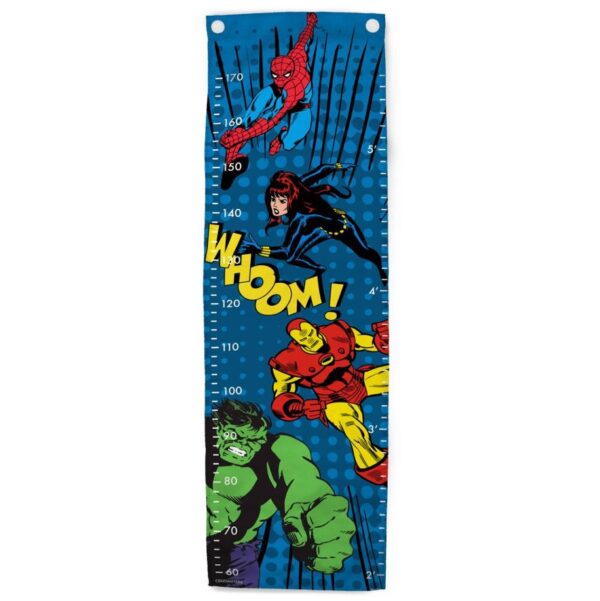







Looking back, Marvel Comics has grown to be a giant part of the industry. A few specific markers help us figure out the brand’s expansion over the years. We can see how Marvel has deepened its cultural footprint. Other than the five Marvel Comics Growth Charts, there are no figurative or literal graphs to describe the brand’s ascent. By focusing with Brands Paradise on Marvel Comics Growth Charts, we hope to give a realistic overview of the incredible momentum that drives Marvel’s stadium over the years.
First, let’s look at revenue growth. During the Silver Age of the 1960s with the publication of Fantastic Four, Spider-Man, X-Men, and other titles, revenue and the volume of sales started to grow. Even the 1970s and 1980s continued and completed the growth trajectory.
The Bronze Age in the 1970s was especially good for the values of Marvel’s sales as Spider-Man and Hulk comics achieving high sell-through rates making them household names.
In the 1990s, while the market was crashing, comic speculating, and variant covers, Marvel managed to grow revenue by crossovers and event comics.
These days, the revenue sources are numerous thanks to trade paperbacks, reprints, graphic novels, digital editions, etc. The growth of the trade/collected edition market greatly drives this growth.
On the Marvel Comics Growth Charts, the addition of this revenue and sales volume growth is a sign of how the brand had evolved from a niche comic shop to a mainstream media asset.
1. Mainstream Media and Box Office Popularity
More Marvel Comics Growth Charts show growth through media like TV shows, cartoons, and blockbuster movies. Each of these adaptations increases interest in the original comics and drives sales of reprints, new fans, and merchandise.
For instance, Marvel Studios had a major profile boost when they released Iron Man (2008), followed by The Avengers.
Now, both animated and live action streaming series stretch the reach even further.
Big movies and shows create peaks on the interest charts. Each new release leads to heightened comic book sales, comic reorders, and merchandise deals.
This shows growth in awareness and engagement in the audience through media. It observes that comic and merchandise sales often spike with it.
2. Collector / Auction Value Growth Chart
Looking at comic books in the context of the culture and community of collectors shows some of the less obvious parts of reporting Marvel Comics Growth Charts. Appreciating value of high-graded copies of rare issues and auctions is evidence in and of itself.
Highlighting the value of key issues, a copy of The Amazing Spider-Man #1 in near-mint condition recently sold for over US$1 million.
The Guardian
Other issues, like the early Fantastic Four #1 comic and the first appearances of characters, have consistently sold for higher prices at auctions over time.
The consistently high demand for collectors is a big reason why Marvel is not just a storytelling brand, but a cultural asset. That value positively impacts the growth charts.
3. Character & Storyline Proliferation Growth Chart
The Marvel Universe has also expanded in terms of the number and the diversity of characters and storylines. Marvel Comics Growth Charts for this dimension of growth shows the increased universe:
Starting with a few heroes and characters in the early-1960s (like Spider-Man, the Fantastic Four, Hulk, Thor, etc.), Marvel has expanded to develop dozens of major character arcs, including series and spin-offs.
The number of titles has expanded with crossovers, alternate universes (like What If? and Ultimate Marvel), legacy characters, and variations across genres.
The growth in new global markets, translated editions, and new distribution options like digital comics and apps, all contribute to this growth.
In this case, the vertical line is the number of active series / characters, and that line goes up sharply over time.
4. Fan Engagement & Cultural Impact Growth Chart
One of the hardest to quantify, but still important, Marvel Comics Growth Charts is the growth in fan engagement, cultural impact, and the presence of the brand. This includes:
Participation and attendance in comic cons and cosplay, fan art, and social media discussions.
Sales of comic character tied products, like toys, t-shirts, and collectibles.
The growth in engagement around Marvel and its characters is seen in the mainstream culture around movies, memes, collabs and theme parks.
In the last 20 years, this chart has gotten the steepest growth and most of that is thanks to social media and the world opening up. We see each new movie and popular show release give a spike in engagement, and that engagement leads to long term loyalty around the brand.
Why These Growth Charts Matter for Marvel
All these aspects put together tell us that in the case of Marvel Comics Growth Charts, there is a positive growth in many different dimensions, all of which are important. Diversification of revenue streams is the most important takeaway here. Comics are no longer the only source of revenue. Licensing, adaptations, and merchandise are now just as important.
Characters and stories from the earlier issues have always kept their relevance and importance. The older issues always have and always will be nostalgic. Marvel’s past continues to be the fuel for its present offerings.
As time goes on, the reach becomes more and more global. Comics are no longer solely an American cultural product. The reach is expanded through translation, streaming, and online marketplaces.
The market for collects is thriving, and so are high-grade issues. Auctions are demonstrating Marvel as an investment for fans, along with the collectibles.
What’s Next, According to Marvel Comics Growth Charts
Here are the probable continued growth indicators based on the growth patterns:
The growth of international markets sizzling down to the so-called global south, including latin America and Asia.
The more soil is nourished with comics, the more crossover storytelling will flourish between films, television, games, and merchandise.
Their more active participation will drive social media, transformative storytelling, and collaborative crossover frameworks.
How Brands Paradise Sees the Value
We understand that the growth charts are more than “stats”. Marvel fans and collectible enthusiasts have demand for premium collectibles and other Marvel merchandise.
We determine high demand Marvel items from the growth charts and make sure to include those in our inventory.
Wrapping Up
Marvel’s story is one of constant growth, with expansion from its pulp-sized origins to a contemporary multimedia behemoth. The five facets of Marvel Comics Growth Charts (sales & revenue, media adaptation, collector value, character proliferation, and fan engagement) provide a comprehensive outline of the reasons underpinning Marvel’s expansion beyond simple comics.
With the evolution of Marvel and the addition of new media, the growth targets almost certainly will extend beyond previous expectations, and for the fans and businesses like Brands Paradise, this comes with the anticipation to celebrate, collect, and engage with a mythos that continues to grow.